Pune
08048037887
+917738169811

Services

Voice Therapy – Restore, Strengthen & Protect Your Voice

Voice therapy is a specialized, non-surgical treatment designed to improve voice quality, strength, and endurance. It is conducted by a speech-language pathologist (SLP) and focuses on correcting improper voice use, reducing strain, and restoring normal vocal function. It is highly effective for individuals experiencing voice disorders due to overuse, misuse, or medical conditions affecting the vocal cords. Who Needs Voice Therapy? Voice therapy is recommended for people with: Persistent hoarseness or rough voice Vocal fatigue or strain Loss of voice (aphonia) Vocal cord nodules, polyps, or swelling Voice changes after illness or surgery Chronic throat clearing or cough Professional voice users (teachers, singers, speakers) Common Conditions Treated Voice therapy helps manage: Muscle tension dysphonia Vocal cord nodules and polyps Laryngitis Voice changes due to acid reflux (LPR) Neurological voice disorders (e.g., after stroke) Post-surgical voice rehabilitation Goals of Voice Therapy Improve voice clarity and strength Reduce strain and vocal fatigue Restore natural voice production Prevent further vocal cord damage Enhance vocal performance for professionals What Happens During Voice Therapy? 1. Voice Evaluation Your therapist assesses your voice quality, pitch, breathing pattern, and speaking habits. 2. Personalized Therapy Plan A customized program is designed based on your condition and voice needs. 3. Therapy Sessions Sessions may include: Breathing Techniques (diaphragmatic breathing) Vocal Exercises to improve pitch and tone Resonance Therapy for efficient voice production Relaxation Techniques to reduce throat tension Posture Training for better voice support

Flexible Endoscopic Evaluation of Swallowing (FEES)

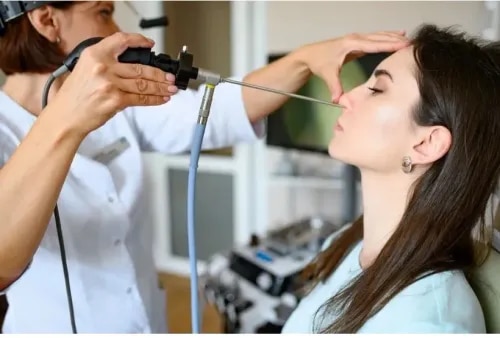
Flexible Endoscopic Evaluation of Swallowing (FEES) is a safe, minimally invasive procedure used to assess how well a person swallows. It involves passing a thin, flexible endoscope through the nose to visualize the throat (pharynx and larynx) while the patient eats and drinks different consistencies of food and liquids. FEES helps diagnose swallowing disorders, also known as dysphagia, and guides effective treatment planning. Why is FEES Done? FEES is recommended to: Evaluate difficulty in swallowing (dysphagia) Detect aspiration (food/liquid entering the airway) Assess swallowing after stroke or neurological disorders Monitor patients with head & neck cancers Evaluate persistent coughing during meals Plan rehabilitation and swallowing therapy Who Needs This Test? You may require FEES if you experience: Choking or coughing while eating or drinking Sensation of food getting stuck in the throat Unexplained weight loss Recurrent chest infections or aspiration pneumonia Voice changes after swallowing How is the Procedure Performed? Preparation The nose may be numbed with a mild anesthetic spray for comfort. Endoscope Insertion A thin, flexible camera is gently passed through the nostril. Swallowing Assessment You will be given food/liquids of different textures (colored for visibility). Real-Time Observation The specialist observes how food moves through the throat and checks for aspiration or residue. Completion The procedure usually takes 10–20 minutes and is done on an outpatient basis. Benefits of FEES No radiation exposure Real-time visualization of swallowing Can be performed at bedside or clinic Safe for repeated evaluations Helps in accurate diagnosis and treatment planning Is FEES Painful? FEES is generally well tolerated. You may feel slight discomfort or a gagging sensation, but it is brief and manageable.

Evaluation of Oral Cancers

Oral cancer refers to cancer that develops in the mouth (oral cavity), including the lips, tongue, cheeks, floor of the mouth, hard palate, and gums. Early detection through proper evaluation significantly increases the chances of successful treatment and recovery. Why is Early Evaluation Important? Detects cancer at an early, treatable stage Prevents spread to nearby tissues and lymph nodes Improves survival rates and treatment outcomes Reduces the need for extensive surgery Common Signs & Symptoms Be alert to the following warning signs: Persistent mouth ulcers that do not heal Red or white patches inside the mouth Lump or thickening in the cheek or tongue Difficulty in chewing, swallowing, or speaking Unexplained bleeding in the mouth Numbness or pain in oral regions Loose teeth without dental cause Risk Factors Certain habits and conditions increase the risk of oral cancer: Tobacco use (smoking, chewing tobacco, gutka) Alcohol consumption HPV (Human Papillomavirus) infection Poor oral hygiene Prolonged sun exposure (lip cancer) Family history of cancer How is Oral Cancer Evaluated? 1. Clinical Examination A specialist carefully examines the mouth, tongue, and throat for abnormal lesions, swelling, or discoloration. 2. Biopsy (Gold Standard) A small tissue sample is taken from the suspicious area and analyzed in a lab to confirm cancer. 3. Imaging Tests CT Scan / MRI – To assess tumor size and spread PET Scan – To detect metastasis (spread to other parts) 4. Endoscopy A thin, flexible tube with a camera is used to examine deeper areas of the throat. 5. HPV Testing In some cases, testing is done to identify HPV-related cancers.

Evaluation of Oral Cancers

Oral cancer refers to cancer that develops in the mouth (oral cavity), including the lips, tongue, cheeks, floor of the mouth, hard palate, and gums. Early detection through proper evaluation significantly increases the chances of successful treatment and recovery. Why is Early Evaluation Important? Detects cancer at an early, treatable stage Prevents spread to nearby tissues and lymph nodes Improves survival rates and treatment outcomes Reduces the need for extensive surgery Common Signs & Symptoms Be alert to the following warning signs: Persistent mouth ulcers that do not heal Red or white patches inside the mouth Lump or thickening in the cheek or tongue Difficulty in chewing, swallowing, or speaking Unexplained bleeding in the mouth Numbness or pain in oral regions Loose teeth without dental cause Risk Factors Certain habits and conditions increase the risk of oral cancer: Tobacco use (smoking, chewing tobacco, gutka) Alcohol consumption HPV (Human Papillomavirus) infection Poor oral hygiene Prolonged sun exposure (lip cancer) Family history of cancer How is Oral Cancer Evaluated? 1. Clinical Examination A specialist carefully examines the mouth, tongue, and throat for abnormal lesions, swelling, or discoloration. 2. Biopsy (Gold Standard) A small tissue sample is taken from the suspicious area and analyzed in a lab to confirm cancer. 3. Imaging Tests CT Scan / MRI – To assess tumor size and spread PET Scan – To detect metastasis (spread to other parts) 4. Endoscopy A thin, flexible tube with a camera is used to examine deeper areas of the throat. 5. HPV Testing In some cases, testing is done to identify HPV-related cancers.

Ear Discharge (Otorrhea) – Causes, Symptoms & Treatment

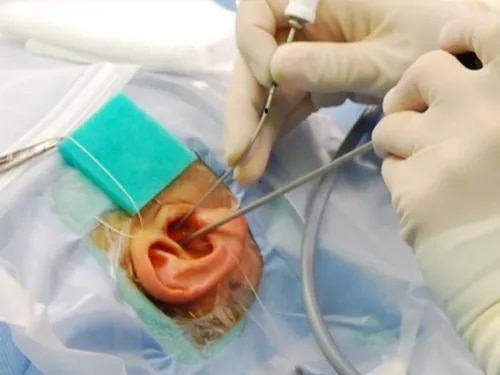
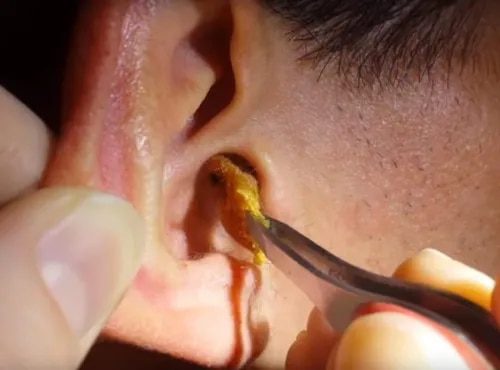
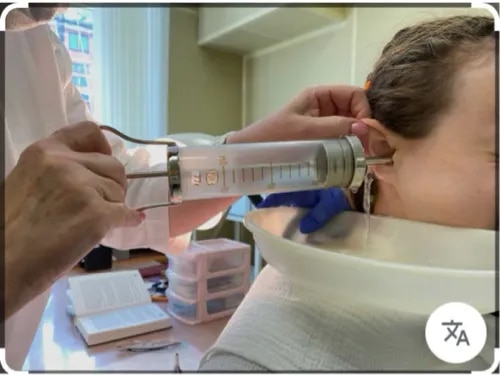
What is Ear Discharge? Ear discharge, medically known as otorrhea, refers to any fluid that comes out of the ear. It can vary in color and consistency—clear, yellow, white, or even bloody—depending on the underlying condition. While occasional discharge may not be serious, persistent or foul-smelling discharge should never be ignored. Common Causes of Ear Discharge Ear discharge can occur due to several reasons, including: Ear Infections (Otitis Media / Otitis Externa) Bacterial or fungal infections are the most common cause, leading to pus-like discharge. Ruptured Eardrum A tear or perforation in the eardrum can cause fluid or blood to leak out. Swimmer’s Ear Water trapped in the ear canal can lead to infection and discharge. Earwax Build-Up Excess wax may soften and come out as a discharge. Foreign Objects in the Ear Common in children, causing irritation and infection. Chronic Suppurative Otitis Media (CSOM) Long-term infection resulting in continuous or recurring discharge. Symptoms to Watch For Along with discharge, you may experience: Ear pain or discomfort Hearing loss or muffled hearing Itching or irritation in the ear Fever (in severe infections) Foul-smelling discharge Ringing in the ears (tinnitus) When Should You See a Doctor? Seek medical attention if: Discharge lasts more than 2–3 days There is severe pain or swelling You notice blood or pus There is hearing loss Symptoms occur after an injury or swimming Diagnosis An ENT specialist will evaluate your condition using: Otoscope Examination – To view inside the ear Ear Swab Test – To identify infection Hearing Tests – If hearing loss is suspected

Subcategory Tags

Phone Number

08048037887

Please keep 0 before dialling the number.

Mon-Thu: 10 AM - 2 PM • Fri: 3 PM - 7AM

Address 303, 3rd Floor, Mahadkar Complex, Hutatma Rajguru Chowk, Karve Rd, Mayur Colony, Kothrud

Pune, India, 411038

footerhc